Wildlife Damage Repair Services in Charlotte, North Carolina
Inquire
Contact Us
Thank you for contacting us.
We will get back to you as soon as possible.
Oops, there was an error sending your message.
Please try again later.
Our Services
- Service 1
- Service 2
- Service 3
- Service 4
- Service 5
- Service 6
- Service 7
- Service 8
- Service 9
Repairing Wildlife Damage To Restore Safety Structure And Property Value
Wildlife intrusion leaves more behind than noise or disruption. Damaged insulation, chewed wiring, compromised vents, stained ceilings, and lingering contamination from raccoons and squirrels quietly weaken a structure long after animals are gone. Briar Creek Wildlife approaches wildlife damage repair as a critical restoration phase, not an afterthought. With 25 years of experience, we focus on correcting the physical and environmental damage wildlife causes while restoring structural integrity and indoor safety. Our wildlife restoration services are designed to address damage comprehensively while supporting long-term property protection. Wildlife damage repair requires technical accuracy, material awareness, and coordination with raccoon and squirrel exclusion measures to ensure repairs last. Our team prioritizes restoring function, hygiene, and durability so repaired areas do not become repeat entry points or long-term liabilities.
We serve Charlotte, North Carolina, as well as nearby communities including Matthews, Huntersville, Concord, and Pineville. Across Mecklenburg County, wildlife damage is influenced by regional factors such as humid summers, heavy rainfall, and aging construction materials. Attics, crawlspaces, and rooflines in this region experience accelerated deterioration when wildlife activity introduces moisture, debris, and insulation displacement. Local building styles and ventilation systems further shape how damage spreads once intrusion occurs. Our squirrel damage repair solutions address common attic and insulation-related issues, while raccoon damage repair often focuses on larger structural entry points and contamination concerns. A location-aware repair strategy ensures materials, methods, and sequencing align with Charlotte’s climate and structural realities rather than generic repair approaches.
Effective wildlife damage repair restores more than appearance. It protects indoor air quality, reduces fire and moisture risks, and stabilizes structures for long-term performance. We apply methodical inspections, documented repair processes, and durable materials to ensure repaired areas integrate seamlessly with
exclusion systems. The objective is resilience. Once repairs are completed correctly, properties regain safety, efficiency, and confidence without lingering vulnerabilities or recurring damage tied to unresolved wildlife impact.
Our Wildlife Damage Repair Services
Insulation Removal and Replacement
Insulation removal and replacement restores thermal performance and hygiene after raccoon or squirrel intrusion. Damaged materials affected by contamination, compression, or moisture are removed and replaced properly, ensuring insulation functions effectively, supports indoor comfort, improves energy efficiency, and prevents lingering odors or health risks inside the structure.
Vent, Duct, and Opening Repairs
Vent, duct, and opening repairs address damage caused during raccoon and squirrel entry. Restoring airflow systems, sealing penetrations, and reinforcing weak areas maintains ventilation efficiency, prevents future access, and avoids system inefficiencies or indoor air quality issues linked to wildlife interference.
Structural Wood and Surface Repairs
Structural wood and surface repairs correct damage such as chewed framing, stained drywall, and compromised finishes. These repairs restore integrity and appearance, prevent progressive deterioration, and prepare affected areas for effective exclusion and long-term durability without leaving weakened structural points.
Electrical Damage Restoration
Electrical damage restoration addresses wiring compromised by squirrel chewing or nesting activity. Repairs restore insulation, secure connections, and eliminate exposed components, reducing fire hazards and ensuring electrical systems operate safely and reliably following wildlife-related damage inside the structure.
Moisture and Contamination Cleanup
Moisture and contamination cleanup addresses water intrusion, droppings, urine, and nesting debris caused by raccoons and squirrels. Cleaning, drying, and restoring affected areas limits mold growth, odor persistence, material decay, and long-term health risks associated with prolonged contamination exposure.
Post-Exclusion Repair Integration
Post-exclusion repair integration reinforces areas sealed during wildlife exclusion. Coordinated repairs align materials with exclusion systems, eliminate residual weak points, and support long-term protection by ensuring repairs function structurally rather than serving as cosmetic-only solutions.
Benefits of Professional Wildlife Damage Repair Services
Restoration of Structural Integrity
Wildlife damage repair restores compromised framing, insulation, vents, and surfaces weakened by raccoon and squirrel activity, nesting, or moisture. Proper repairs stabilize structures, stop progressive deterioration, and ensure building components perform as intended after wildlife intrusion has been fully resolved without lingering weaknesses remaining.
Improved Indoor Air Quality
Repair services remove contaminated materials affected by droppings, urine, and nesting debris. Restoring insulation and sealing damaged areas reduces airborne pollutants, persistent odors, and allergens, supporting healthier indoor air quality and safer, more comfortable living or working environments overall.
Reduced Fire and Electrical Risks
Squirrels and other wildlife frequently damage wiring and electrical components through chewing and nesting. Repairing compromised cables, displaced insulation, and exposed systems reduces fire hazards, prevents electrical failures, and restores safe operation of electrical infrastructure following wildlife-related damage incidents.
Prevention of Recurring Damage
Repairing raccoon and squirrel damage alongside exclusion prevents animals from exploiting weakened areas again. Reinforced repairs eliminate residual vulnerabilities, reducing repeat intrusions, moisture penetration, and ongoing structural deterioration that often occurs when damage is only partially addressed.
Protection Against Moisture and Mold
Wildlife damage often introduces moisture through displaced insulation and compromised barriers. Repair services restore sealing and drainage, limiting mold growth, wood rot, and long-term moisture damage that can spread beyond the original intrusion area.
Preservation of Property Value
Comprehensive wildlife damage repair improves appearance, function, and inspection results. Restored structures maintain usability and marketability, protecting property value while preventing future repair costs caused by unresolved, hidden, or progressively worsening wildlife-related damage.
why choose us?
Family-Owned and Operated
As a family-owned and operated company, we treat every home with the care, respect, and honesty we would give our own.
Competitive Pricing
We offer fair, transparent pricing so you receive professional wildlife control services without overpaying.
Quality of Services
Our team delivers high-quality, humane solutions designed to remove animals safely and prevent future infestations.
25 Years of Experience
With over 25 years of hands-on experience, we bring proven expertise and trusted methods to every wildlife situation.
Restoration Work That Eliminates Hidden Damage And Prevents Future Issues
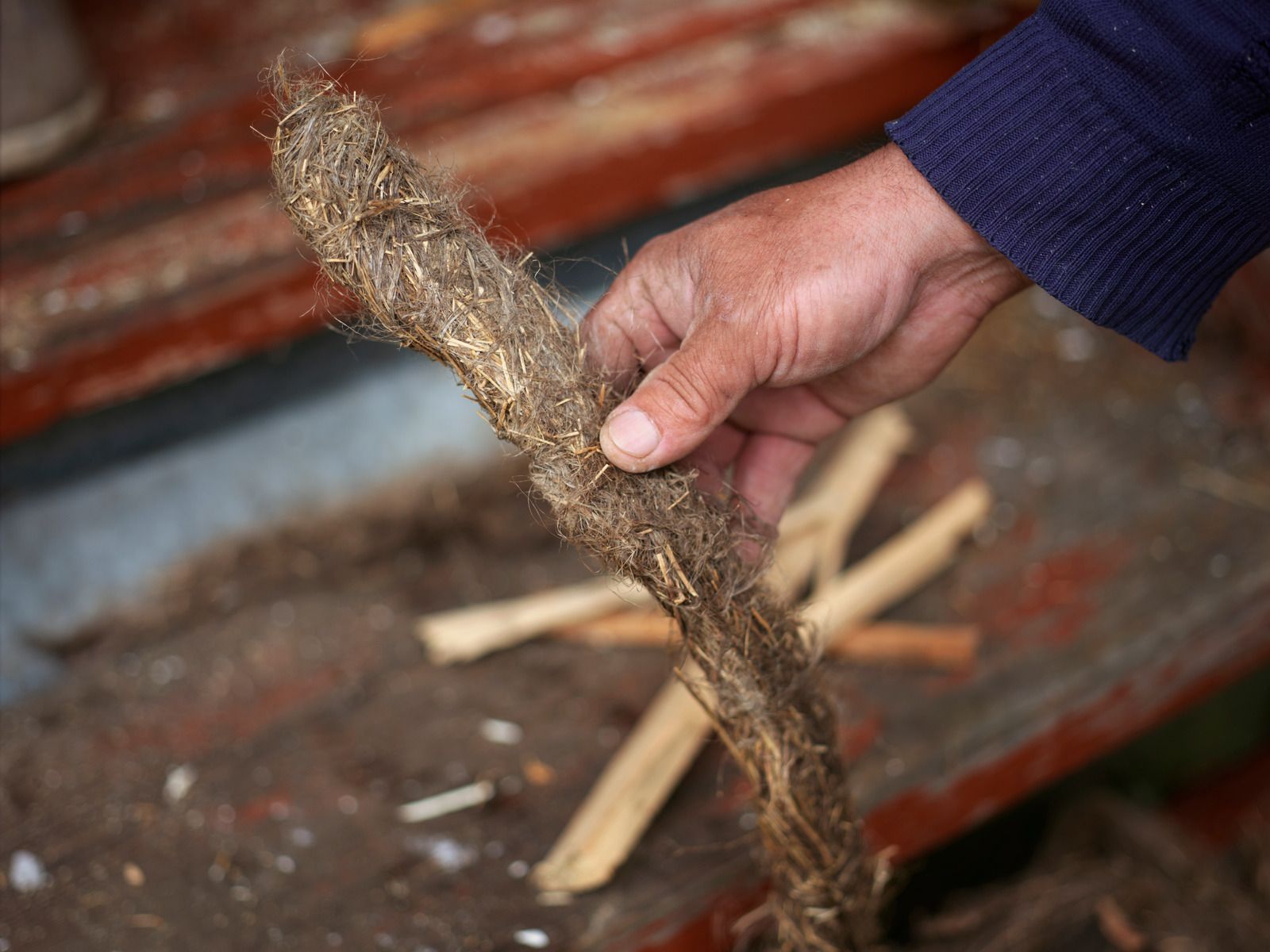
Wildlife damage repair is where recovery becomes lasting stability. Briar Creek Wildlife treats raccoon and squirrel damage repair as a restoration process, not cosmetic correction. With 25 years of experience, we focus on rebuilding structural strength, restoring indoor safety, and eliminating vulnerabilities wildlife leave behind. Our animal damage repair solutions address the physical impacts of intrusion while supporting long-term structural performance. Charlotte, North Carolina properties face ongoing environmental pressure that magnifies untreated damage, making precise repair essential. Our team applies disciplined methods, region-aware materials, and coordinated planning to ensure repairs support long-term protection. Once damage is corrected properly, structures regain performance, safety, and resilience. Wildlife damage repair closes the chapter on intrusion by restoring what was compromised and reinforcing what must endure, allowing homes and commercial buildings to move forward without hidden risks, recurring deterioration, or unresolved consequences of wildlife activity.
Frequently Asked Questions
What types of damage does wildlife commonly cause?
Raccoons and squirrels commonly damage insulation, wiring, vents, ducts, framing, and drywall through chewing, nesting, and movement. Droppings, urine, and debris contaminate affected spaces, causing odors and health risks. Professional repair and cleanup are required to restore safety, hygiene, and proper structural function within residential buildings interiors.
Is wildlife damage repair necessary after animal removal?
Animal removal resolves the presence, but raccoon and squirrel damage often remains hidden. Repair restores structural integrity, sanitation, and safety while preventing mold, odors, electrical hazards, and weakened entry points that attract future wildlife activity and recurring intrusion problems over time inside residential and commercial structures properties.
Can wildlife damage affect energy efficiency?
Raccoon and squirrel damage significantly affects energy efficiency when insulation is compressed, displaced, or contaminated and ventilation pathways are compromised. Repair restores thermal barriers and airflow balance, improving comfort, reducing energy loss, and supporting consistent system performance throughout the building year round in residential and commercial properties.
How soon should wildlife damage be repaired?
Raccoon and squirrel damage should be repaired as soon as removal and exclusion are completed. Delays allow moisture, contamination, and structural deterioration to spread, increasing repair scope, cost, and health risks while weakening building materials and interior systems over time throughout residential and commercial structures properties environments.
How does Briar Creek Wildlife handle wildlife damage repair in Charlotte, North Carolina?
Briar Creek Wildlife conducts detailed inspections, repair planning, and restoration using materials suited to Charlotte, North Carolina conditions. This approach ensures wildlife damage repairs withstand humidity, seasonal weather stress, and local construction characteristics while supporting long-term durability and structural performance for residential and commercial buildings.
Does wildlife damage repair address health concerns?
Wildlife damage repair directly addresses health concerns by removing contaminated insulation, droppings, urine, and nesting debris. Restoring clean surfaces and sealed spaces reduces exposure to bacteria, parasites, allergens, and odors that compromise indoor air quality and occupant safety within residential and commercial structures interiors spaces.
Will repairs prevent wildlife from returning?
Repairs alone can help reduce risk, but long-term prevention requires pairing repairs with exclusion. Reinforced repairs eliminate weakened areas raccoons and squirrels target for re-entry, improving durability and preventing recurring intrusion, contamination, and damage over time to residential and commercial building structures properties interiors systems areas overall.
Why choose Briar Creek Wildlife for wildlife damage repair in Charlotte, North Carolina?
With 25 years of experience in Charlotte, North Carolina, Briar Creek Wildlife delivers reliable wildlife damage repair using regional knowledge, durable materials, and prevention-focused integration to restore safety, structural stability, and long-term protection for residential and commercial properties throughout affected buildings and structures environments.