Frequently asked questions
Common Questions
Find answers to common questions about wildlife control, removal, and prevention with Briar Creek Wildlife in Charlotte, NC. Our FAQs cover safe animal exclusion, damage repair, and emergency services, helping homeowners and businesses understand our process and how we keep properties protected from wildlife.
What types of animals are commonly handled?
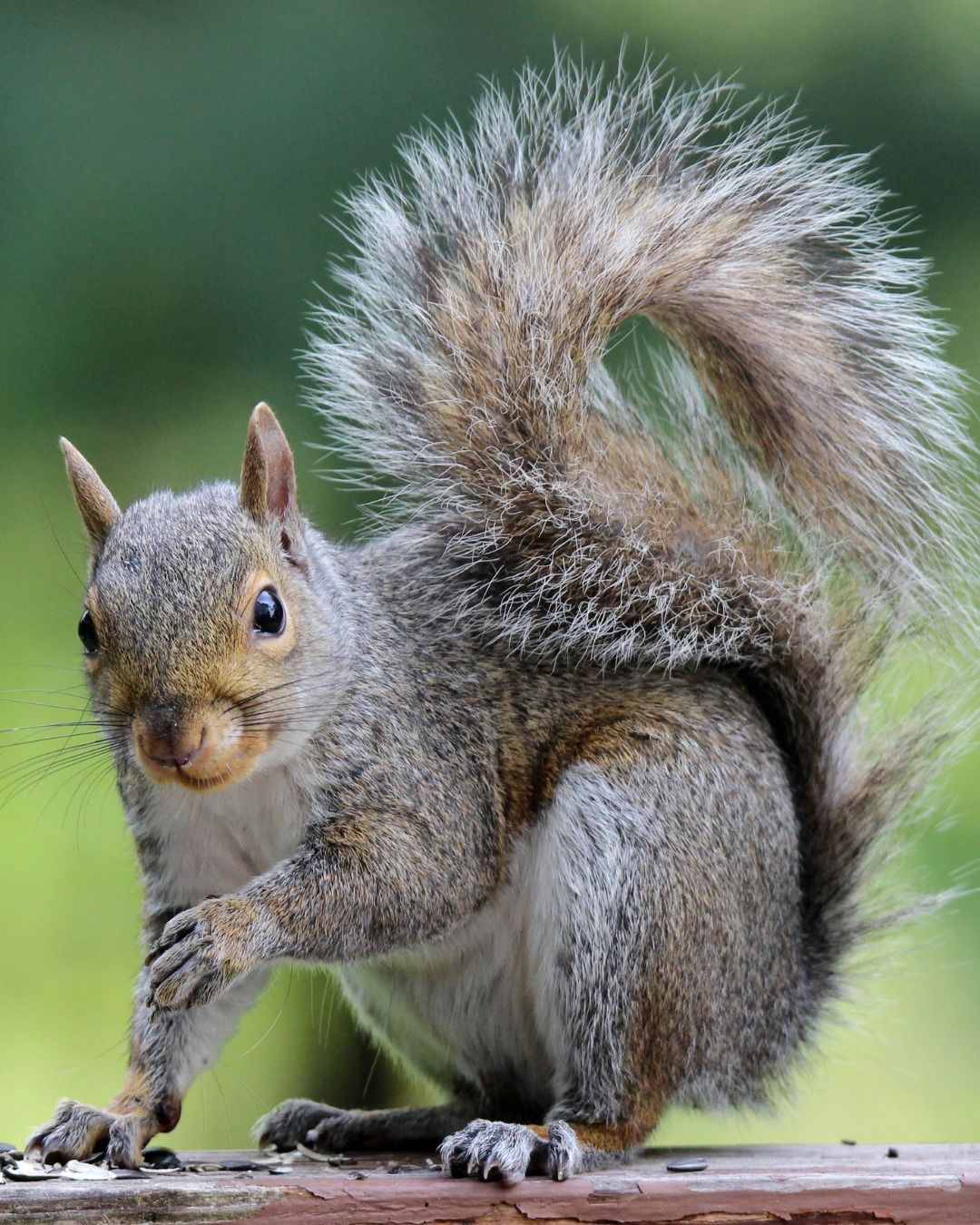
Wildlife control services typically address raccoons, squirrels, snakes, bats, birds, and similar nuisance animals that enter attics, crawlspaces, walls, or commercial structures. Professional wildlife squirrel control solutions help address infestations while preventing further property damage and re-entry concerns.
How fast can emergency wildlife situations be addressed?
Emergency situations are prioritized based on safety risk. Immediate response helps limit damage, protect occupants, and prevent aggressive or trapped animals from worsening the situation.
Is wildlife removal humane and legal?
Yes. Ethical animal handling follows legal guidelines, species specific regulations, and humane practices designed to protect both animals and property owners.
Does exclusion permanently stop wildlife problems?
When done correctly, exclusion is the most effective long term solution. Proper sealing, reinforcement, and material selection prevent raccoons, squirrels, and other animals from re entering structures.
How long has Briar Creek Wildlife been providing animal control services in Charlotte, North Carolina?
With 25 years of experience in Charlotte, North Carolina, the focus has remained on reliable solutions, responsible practices, and long term prevention strategies.
Will repairs be needed after animals are removed?
In many cases, yes. Chewed materials, nesting debris, and contaminated insulation often require repair to restore safety and prevent future issues.
Does Briar Creek Wildlife serve both residential and commercial properties in Charlotte, North Carolina?
Yes. Services are structured to address wildlife issues in homes, offices, warehouses, and other commercial environments throughout Charlotte, North Carolina.
What makes professional wildlife control better than DIY methods?
Professional services identify root causes, apply legal solutions, and prevent repeat problems. DIY attempts often miss raccoon and squirrel access points, increase risk, and lead to recurring wildlife intrusions.