
Wildlife Exclusion Services in Weddington, NC
Inquire
Contact Us
Thank you for contacting us.
We will get back to you as soon as possible.
Oops, there was an error sending your message.
Please try again later.
Getting a raccoon or squirrel out of an attic solves only half the problem. The gap, gnawed vent, or settled roofline that let the animal in stays open, and within weeks another animal usually finds it. Homeowners often pay for the same removal call twice a year without realizing the entry point was never actually closed the first time. Fixing the underlying vulnerability, not just the immediate intrusion, is what actually keeps a home protected over the long run, and it's the step that removal alone can never provide.
Weddington's large residential lots and mature tree canopy put many homes within a few feet of the branches, hedgerows, and wooded buffers that raccoons and squirrels use as highways to a roofline. The area's mix of newer subdivisions built into former farmland and older homes on wooded acreage means roof vents, soffits, and crawlspace openings vary widely in condition, and animals exploit whichever version is weakest at any given time. Properties backing up to undeveloped land face the steadiest pressure, since wildlife populations there have far fewer natural barriers to cross before reaching a structure.
We treat every Weddington, NC job the same way, whether it involves one gap or a dozen: find every vulnerable point, not just the obvious one, and seal it so it stays sealed. Briar Creek Wildlife has provided expert wildlife exclusion services in Weddington, NC, for 25 years, sealing rooflines, crawlspaces, and vents with materials built to outlast both North Carolina weather and steady animal pressure. Our approach combines structural awareness with a real understanding of how raccoons and squirrels actually behave once they've found a weakness in a home.
Our Services in Weddington, NC
- Service 1
- Service 2
- Service 3
- Service 4
- Service 5
- Service 6
- Service 7
- Service 8
- Service 9
about - location
Lorem ipsum dolor sit amet, consectetur adipiscing elit, sed do eiusmod tempor incididunt ut labore et dolore magna aliqua. Lorem ipsum dolor sit amet, consectetur adipiscing elit, sed do eiusmod tempor incididunt ut labore et dolore magna aliqua.
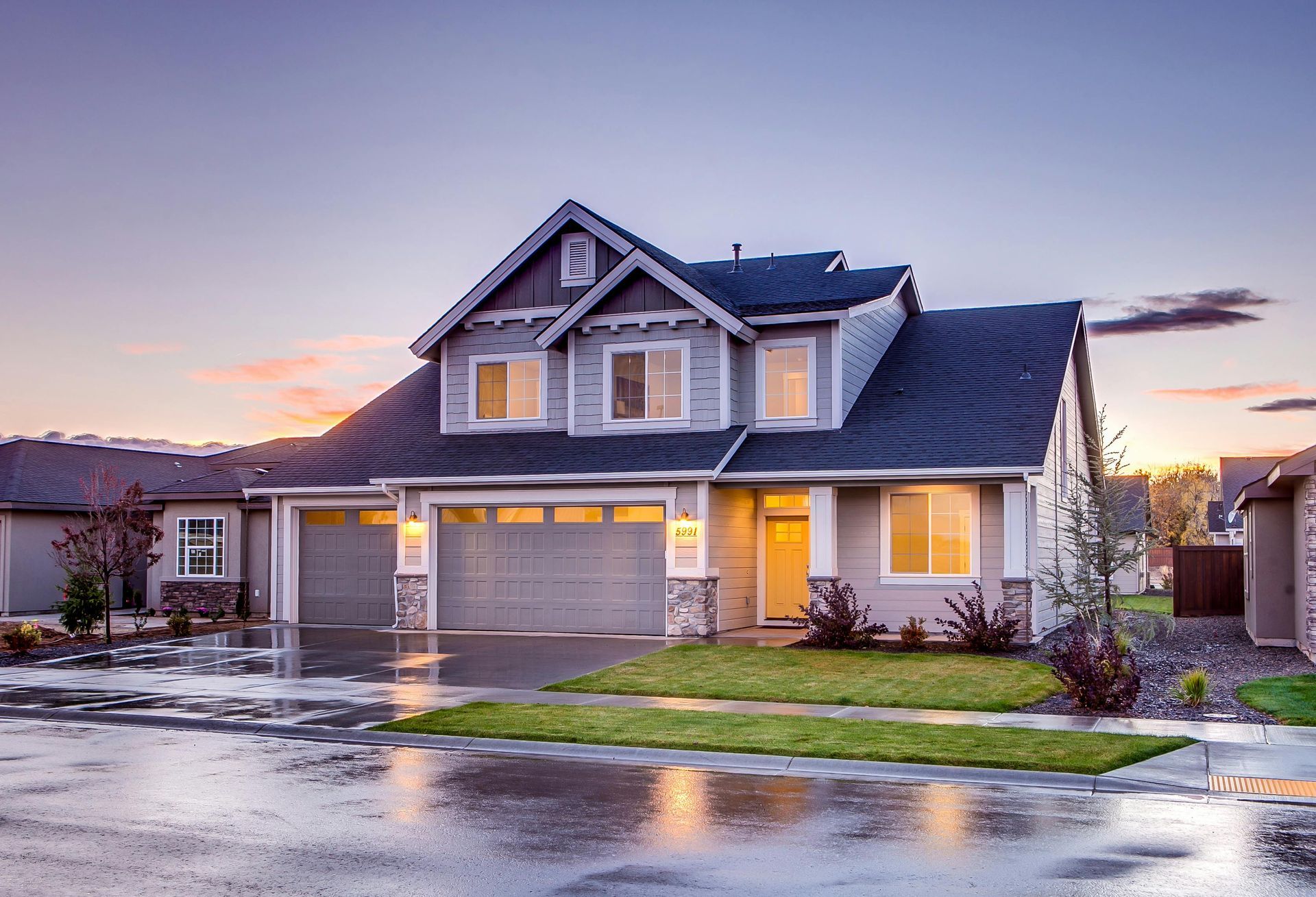
Discover Weddington, NC
Weddington, NC, is a residential community in Union County known for large-lot zoning, equestrian properties, and a heavily wooded landscape preserved even as the area has grown. Providence Road runs through much of the community, connecting newer subdivisions to older estate-style properties set on several acres of wooded land.
The town's growth over the past two decades has added new neighborhoods without stripping away the tree cover that gives Weddington its character, so many homes sit close to hardwood stands, creek buffers, and undeveloped lots. Top-rated schools and larger properties have driven steady residential demand, and much of that new construction still backs directly onto wooded or agricultural land nearby.
Crooked Creek and several smaller waterways cut through the area, supporting dense vegetation that shelters local wildlife year-round. Combined with humid summers and mild winters, the landscape gives raccoons, squirrels, and other animals consistent cover and steady food sources close to residential structures throughout the community.
Large-lot homes with extended rooflines and multiple gables have more seams and joints than a standard suburban house, which means more potential failure points to inspect during an assessment. Chimneys, gable vents, and areas where additions meet original construction are especially prone to gaps that widen slowly over years without anyone noticing until an animal finds them first.
Effective exclusion starts with identifying every access point on a structure, not just the one an animal used most recently. A property with unresolved secondary entry points will see new activity within a season, even after the original problem is handled, since animals in the surrounding woods keep testing the same building for weaknesses.
What Weddington Rooflines Need for Effective Wildlife Exclusion
Rooflines are the most common entry point for raccoons and squirrels on wooded properties, particularly where roof edges meet mature tree canopy. Loose flashing, gaps at the ridge vent, and soffit returns that have shifted with age create openings large enough for a squirrel to squeeze through, and once one animal finds a path, others follow.
Large-lot homes with extended rooflines and multiple gables have more seams and joints than a standard suburban house, which means more potential failure points to inspect during an assessment. Chimneys, gable vents, and areas where additions meet original construction are especially prone to gaps that widen slowly over years without anyone noticing until an animal finds them first.
Effective exclusion starts with identifying every access point on a structure, not just the one an animal used most recently. A property with unresolved secondary entry points will see new activity within a season, even after the original problem is handled, since animals in the surrounding woods keep testing the same building for weaknesses.
Crawlspace and Foundation Risks Behind Repeat Wildlife Exclusion Needs
Crawlspaces and foundation vents present a second major vulnerability, particularly on properties with older construction or ventilation designed before modern exclusion standards existed. Ground-level gaps are easy for raccoons and smaller animals to widen over time, especially where soil has settled or vent screens have corroded from years of moisture exposure and weather cycling.
Once wildlife establishes access beneath a home, moisture, nesting debris, and structural wear tend to follow quickly. Insulation gets compacted or torn apart for nesting material, and ductwork running through a crawlspace can become contaminated or damaged in ways that are costly to repair once the problem has been left unaddressed for months at a time.
Sealing these lower-level entry points requires materials that can handle ground moisture and freeze-thaw cycles without breaking down, since a barrier that fails after one winter simply reopens the same vulnerability all over again. Reinforced screening and proper grading around the exclusion point make the difference between a permanent fix and a temporary one that needs redoing every year or two.
See What Our Customers Are Saying!
Testimonials
Why Weddington Homeowners Trust Briar Creek Wildlife
Homeowners across Weddington choose Briar Creek Wildlife because we've delivered experienced wildlife exclusion services in Weddington, NC, backed by 25 years of hands-on work sealing structures against raccoons, squirrels, and other wildlife that call this heavily wooded area home, season after season.
As a family-owned company, every job gets treated with the same care we'd want for our own home. We use documented assessments and durable materials rather than quick, improvised patches, so property owners get a clear picture of what was found and what was done to fix it, start to finish, before we ever leave the property and consider the job done.
Competitive, transparent pricing means customers know what a job costs before work begins, with no pressure to add services that aren't needed. That straightforward approach, paired with results that actually hold up season after season, is why so many calls come from repeat customers and referrals across the community and beyond.
our services in location name
Insert Title
Insert Title
Insert Title
Insert Title
Insert Title
Insert Title
Hire Us! Professional Wildlife Exclusion Services in Weddington, NC
When raccoons or squirrels have found a way into a Weddington home, Briar Creek Wildlife is ready to provide professional wildlife exclusion services in Weddington, NC, built on 25 years of sealing structures against future intrusion and repeat animal activity across large, wooded properties throughout the area.
Reaching us is easy. Give us a call to schedule an inspection, and we'll walk the entire property, identify every vulnerable point, and explain exactly what needs to be sealed and why before any work begins on your home or any outbuildings nearby that share the same risk.
From a single roofline repair to a full structural exclusion project covering vents, crawlspaces, and foundation gaps, we bring the same disciplined process to every job we take on. Twenty-five years of work on wooded, large-lot properties like these has shown us how quickly small gaps turn into recurring problems, and we build every barrier to prevent that cycle from starting again on your property.
What tools are used to seal a roofline against wildlife?
We use heavy-gauge steel mesh, reinforced flashing, and weather-resistant sealants matched to the specific gap and material involved. Every barrier is chosen to withstand animal pressure and North Carolina weather without breaking down.
Can exclusion be done without removing an animal first?
Not safely. Sealing an entry point while an animal is still inside traps it in the structure, which usually causes more damage and a worse odor problem. We always confirm a space is clear before installing any permanent barrier.
Do exclusion barriers interfere with attic ventilation?
No. Vent covers and gable guards are designed to block animal access while preserving airflow, since restricting ventilation can create moisture problems of its own. We size and install these pieces to maintain proper attic breathing.
How can I tell if my crawlspace has a wildlife entry point?
Look for disturbed soil near vents, chewed screening, or a slightly widened gap around foundation panels. Musty odors coming from beneath the home are also a common sign a trained eye catches during a full inspection.
What happens if a new construction addition creates a gap?
New additions sometimes leave gaps where rooflines, siding, or foundations meet the original structure, and these seams are easy to overlook during construction. We check these transition points closely, since they're a common source of activity.
How often should exclusion work be inspected after installation?
We recommend a periodic check, especially after major storms or once materials pass the several-year mark, since weather exposure and aging can create new weak points. Reach out if you notice fresh scratching or noise after installation.
Does landscaping close to the house increase wildlife risk?
Yes, dense shrubs and overgrown branches touching the roofline give wildlife a direct path onto a structure. Trimming vegetation back from the roof edge is one of the simplest ways to reduce pressure alongside proper exclusion work.
What should I do if I hear scratching in the attic before scheduling an exclusion?
Don't attempt to seal the area yourself before confirming an animal is clear. Send us a message with what you're hearing and where, and we'll schedule an inspection to identify the species and plan removal and exclusion together.